









Forensic drug and alcohol testing can be an unfamiliar experience, particularly for individuals involved in family law or childcare proceedings. Questions about where an appointment will take place, who will collect the sample and how the process works are entirely understandable.
At Forensic Testing Service (FTS), we recognise the importance of making sample collection as accessible, comfortable and discreet as possible.
Our nationwide mobile collection service uses a dedicated fleet of purpose-built clinics, allowing individuals to attend appointments at an agreed location without needing to travel to a laboratory or a facility with a suitable room.
The sample collection process requires dedicated face-to-face time to ensure each stage is carried out correctly. Our purpose-built mobile clinics provide a clean, private and controlled environment, helping to maintain sample integrity while minimising disruption to individuals and their families.
Why Discretion Matters During Forensic Sample Collection
Drug and alcohol testing is frequently requested in sensitive circumstances, including family court proceedings and safeguarding investigations.
For individuals undergoing testing, concerns about privacy and confidentiality may add to an already challenging situation. Attending an appointment should not unnecessarily draw attention to the individual or the reason for the collection.
Our mobile clinics operate from unmarked vehicles, which are deliberately discreet in appearance. From the outside, they resemble other vehicles on the road, helping to minimise unwanted attention from neighbours, colleagues or passers-by.
Appointments are arranged at suitable locations, taking into account the individual’s circumstances, accessibility requirements and the need for a safe and private setting.
Inside an FTS Mobile Collection Clinic
Although discreet from the outside, each mobile clinic has been purpose-built to accommodate forensic sample collection.
The vehicles provide a clean, private environment where our trained Forensic Investigating Officers (FIOs) can undertake collections in accordance with established procedures.
This dedicated setting allows the collection process to be conducted professionally, with appropriate arrangements for handling, packaging and documenting samples.
Forensic sample collection is an important part of the wider testing process. Maintaining clear identification and documentation helps establish the chain of custody, providing a record of how samples have been collected, handled and transferred for analysis.
Who Carries Out the Sample Collection?
FTS employs a dedicated team of trained Forensic Investigating Officers who undertake sample collections across the UK.
Our FIOs understand that attending a forensic testing appointment may feel daunting, especially for someone who has never provided a sample before.
They approach each appointment professionally and without judgement, explaining the process and answering questions to help individuals understand what will happen.
Our FIOs are also trained phlebotomists, allowing them to undertake appropriate blood sample collections where these form part of the instructed testing.
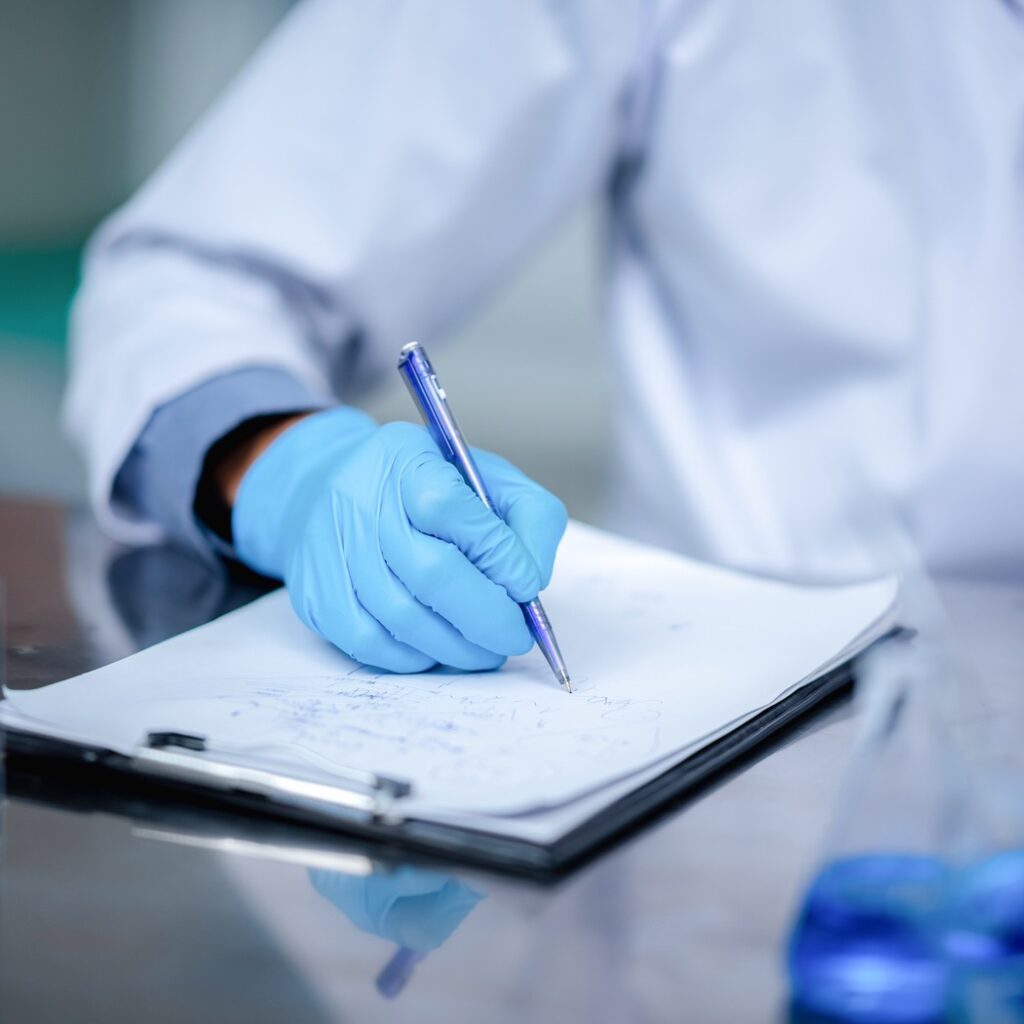
Their role extends beyond collecting a sample. They are responsible for following the required collection procedures, recording relevant information and ensuring samples are appropriately identified and documented.
What Happens During a Mobile Collection Appointment?
The precise collection process depends on the type of testing requested and the requirements of the individual case.
Before the appointment, FTS will confirm the collection arrangements and provide information about what to expect. Clients will also be asked to complete a detailed telephone questionnaire ahead of their appointment. Where this has not been possible, the questionnaire can be completed privately with the Forensic Investigation Officer (FIO) inside the mobile clinic.
At the appointment, the FIO will verify the individual’s identity and obtain the necessary consent before proceeding. They will also explain the collection process and confirm relevant information required for the testing and subsequent interpretation.
Depending on the instruction, sample collection may involve:
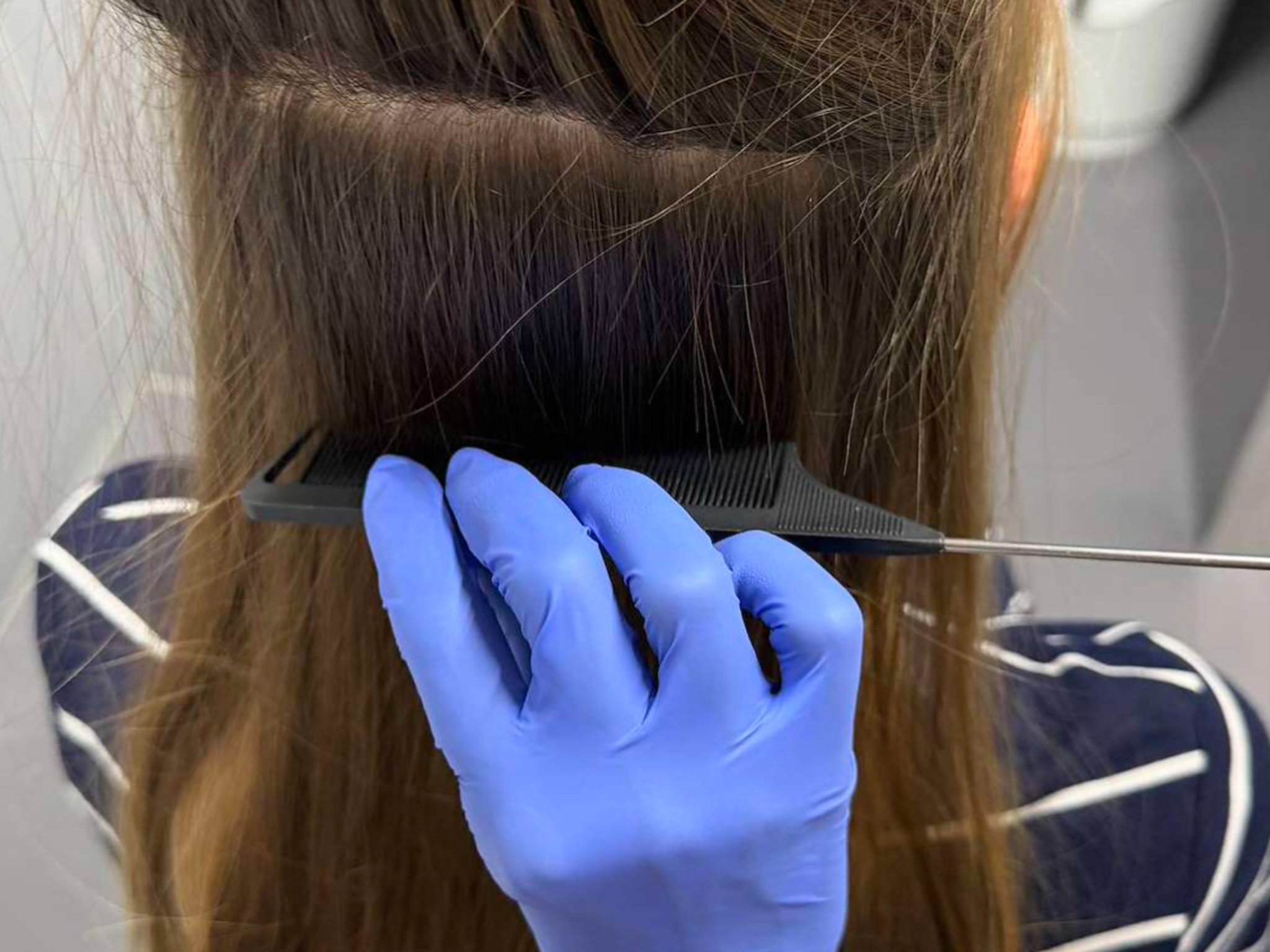
- Hair samples: Usually collected from the scalp to assess drug or alcohol use or exposure over an approximate historical period.
- Nail samples: An alternative where hair collection may not be suitable or where additional testing is required. Samples may be collected from both fingernails and toenails, depending on the testing requirements.
- Blood samples: Including finger-prick collection for phosphatidylethanol (PEth) testing, which can provide information about alcohol consumption over approximately three to four weeks before collection. Where a full blood sample is required, this is collected through venepuncture by an appropriately trained FIO.
- Urine Samples: Where urine testing is required, our mobile clinics have a private bathroom for sample collection.
The samples required will be determined by the testing instruction and the circumstances of the case.
Once collected, samples are appropriately packaged, labelled and documented before being transferred for analysis. The individual remains present throughout the sample collection and documentation process, allowing them to witness each stage and supporting the integrity of the chain of custody.
Where Can Mobile Sample Collection Take Place?
FTS provides nationwide mobile collection services, supporting clients across England, Wales, and other locations subject to arrangements.
Appointments can be organised at an agreed location, such as near a client’s home, workplace or another convenient location.
The location must be appropriate for the type of collection required, while allowing the appointment to be conducted safely and discreetly.
Our team works with the instructing professional and the individual attending the appointment to establish suitable arrangements, taking account of practical considerations or additional support requirements.
This flexibility can be particularly valuable where travel is difficult or where arranging an appointment at a conventional collection facility may present challenges.
Why Does the Sample Collection Process Matter?
In family law proceedings, forensic drug and alcohol testing may contribute to decisions affecting children and families. It is therefore important that the collection process is supported by appropriate procedures and documentation.
Accurate identification, clear collection records and the maintenance of a documented chain of custody help protect the integrity of the evidence.
Equally important is the information obtained during the collection process. Relevant details about medication, cosmetic hair treatments, potential environmental exposure and other circumstances may need to be considered when interpreting forensic toxicology findings.
At FTS, laboratory analysis is combined with expert interpretation, allowing our forensic toxicologists to consider findings within the context of the individual case.
Arranging a Mobile Sample Collection with FTS
Our nationwide mobile collection service is designed to provide accessible, discreet and professionally managed appointments while maintaining the standards required for forensic testing.
Whether you are a solicitor, barrister, local authority or other instructing party, our team can advise on appropriate testing arrangements, sample collection requirements and the practical considerations involved.
To discuss an instruction, request a quote or find out more about our mobile collection clinics, contact the FTS Customer Service Team.
Not sure which test is right for your case?
Speak to our team for expert advice and a fast, clear quote.
General Enquiries
Call: 01924 480272
Email: expert@forensic-testing.co.uk
Office Opening Hours
Monday – Friday: 08:30 – 17:30
Out of hours message service available